
Why Even Small Documentation Matters to Your Laboratory Revenue Cycle
Ever wonder whether a small documentation error can really affect a laboratory’s bottom line?
With millions of laboratory tests performed every day, it may be tempting to treat an incomplete field, missing detail, or minor inconsistency as something you can simply correct later. But in laboratory billing, small documentation gaps can create extra work, delay reimbursement, and, in some cases, contribute to claim denials.
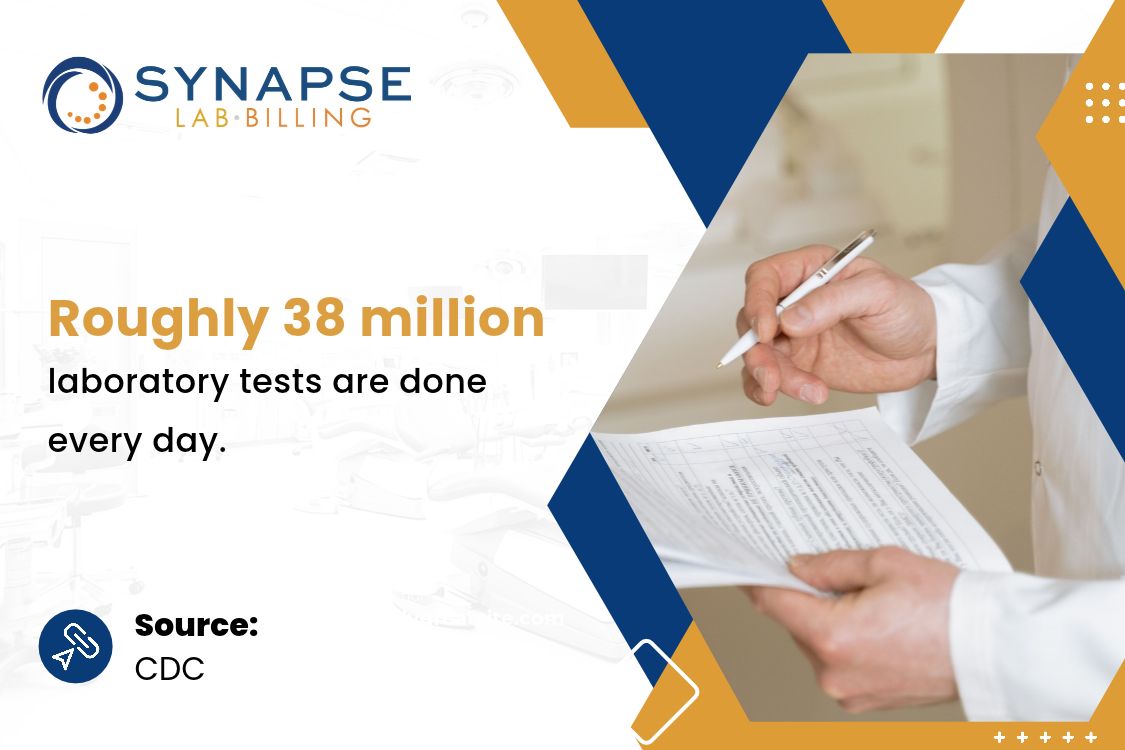
According to the CDC, approximately 14 billion laboratory tests are performed in the U.S. each year, or about 38 million tests per day. At that scale, even small documentation issues can add up quickly across a high volume of claims.
In this blog, we’ll cover what laboratory billing documentation includes, where common gaps occur, how they can affect the revenue cycle, and how laboratories can build processes to prevent these issues before they become costly.
Key Takeaways
Strong documentation practices can support cleaner claims, more efficient revenue-cycle operations, and better visibility into billing performance.
What Counts as Documentation in Lab Billing?
Documentation in laboratory billing is more than a completed requisition or a diagnosis code attached to a claim. It includes the information and supporting records that establish:
Documentation may include:
For example, Medicare diagnostic laboratory services require documentation that supports both the order and the medical necessity of the service. This illustrates why documentation matters because the records behind a claim need to clearly support the service that was ordered, performed, and billed.
Why Does Documentation Matter?
At its simplest, documentation provides the evidence behind a claim.
A laboratory may have performed the correct test for the correct patient and submitted the correct billing code. But if the supporting documentation is incomplete, inconsistent, or unavailable when requested, the claim may still face additional review or payment problems.
Think of this lab billing process as a chain:
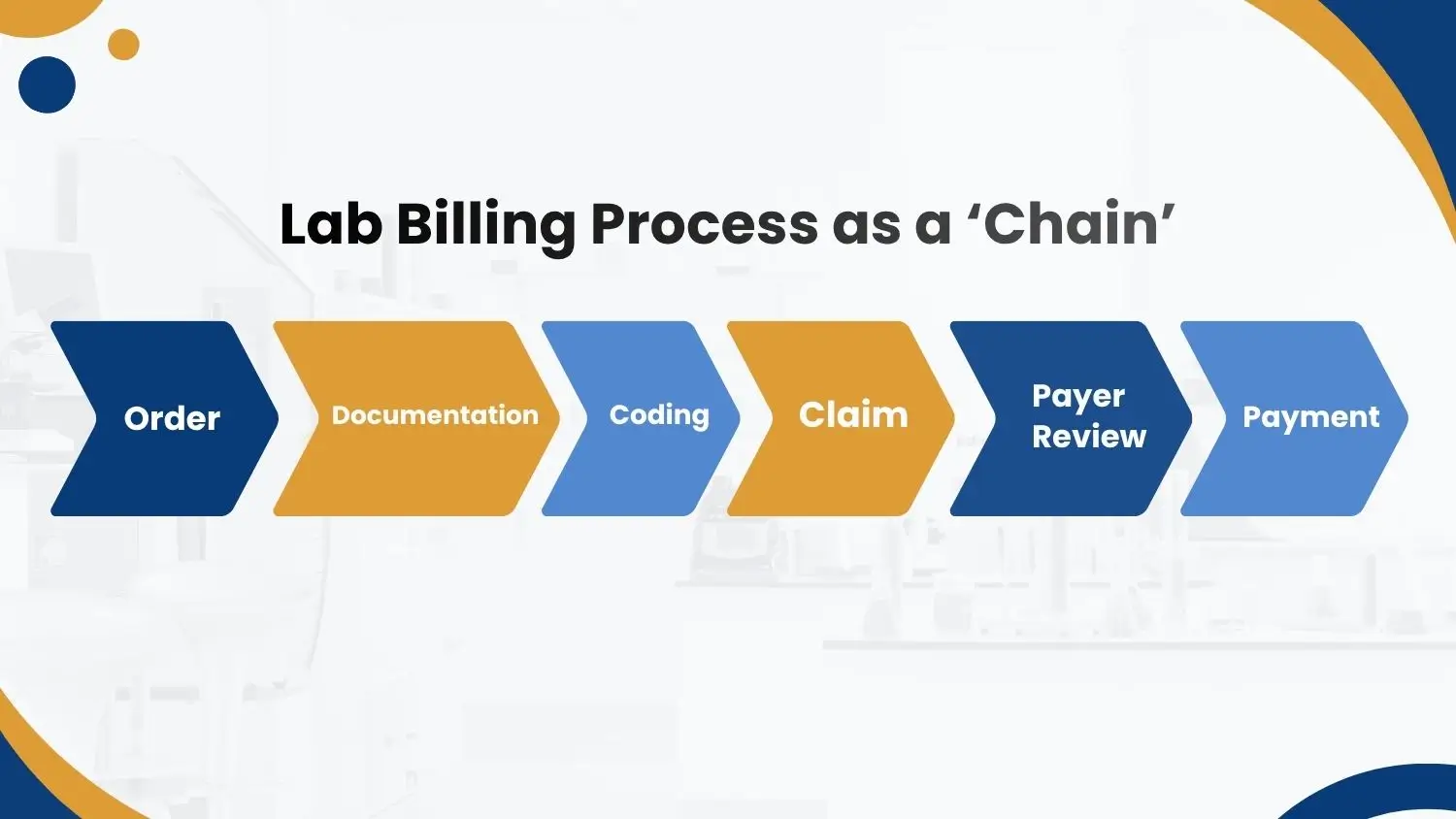
Each step depends on the information supporting the previous step.
When documentation is complete and consistent, it becomes easier to establish that the service was ordered, performed, appropriately coded, and supported by the patient’s clinical circumstances.
When a link in that chain is missing, the billing team may have to stop, investigate, request additional information, correct the claim, or respond to a payer request.
That’s where a seemingly small documentation issue can become a larger revenue-cycle problem.
Where Do Documentation Problems Come From?
Documentation problems don’t always result from one obvious mistake. They can develop through small inconsistencies across different parts of the process, such as the following situations:

Situation 1:
A requisition may contain incomplete ordering-provider information.

Situation 2:
A diagnosis may not adequately support medical necessity.

Situation 3:
A medical record may not clearly demonstrate the provider’s intent to order the service.

Situation 4:
The information ultimately submitted on the claim may not match the documentation the laboratory received.
These challenges can be amplified by high claim volumes, multiple payer requirements, and information coming from different providers, systems, and sources.
The challenge, then, isn’t simply getting one claim right. It’s creating a process that makes accurate and complete documentation the standard across the revenue cycle.
5 Small Documentation Gaps That Can Disrupt Revenue
Documentation issues can impact the revenue cycle more than they may seem. Studies report that average initial claim denial rates rose from 9% in 2016 to 12% by early 2022, with missing or incorrect information and medical necessity among the most common causes.
For laboratories, many of these issues can start with small documentation gaps, before a claim is ever submitted. Here are five to watch for:
Individually, these gaps may seem manageable. But when they lead to repeated corrections, follow-ups, or denials, the time and resources required to resolve them can add up quickly.
The Cost of Documentation Error
The financial impact of a documentation problem isn’t necessarily limited to the value of one claim.
According to the Healthcare Financial Management Association, the average administrative cost of reworking a denied claim was $57.23 per claim, based on a 2025 Premier analysis. This figure reflects the cost of working a denied claim and is not specific to documentation errors.
The AMA similarly reports that unresolved claim denials represent an average annual loss of $5 million, or nearly 5% of net patient revenue, and identifies missing or incorrect information and medical-necessity requirements as common causes of denials.
Multiply that process across hundreds or thousands of claims, and the operational impact can become significant.
The potential costs may include:
Delayed reimbursement
Claim rework and resubmission
This is why laboratories should look beyond individual claim errors and consider whether recurring documentation problems point to an underlying process issue.
Make Documentation Part of the Process with Synapse Lab
For laboratories, the goal is to catch documentation gaps before a claim is denied, not after. Making documentation part of the revenue cycle from the start can help reduce avoidable denials and improve collections.
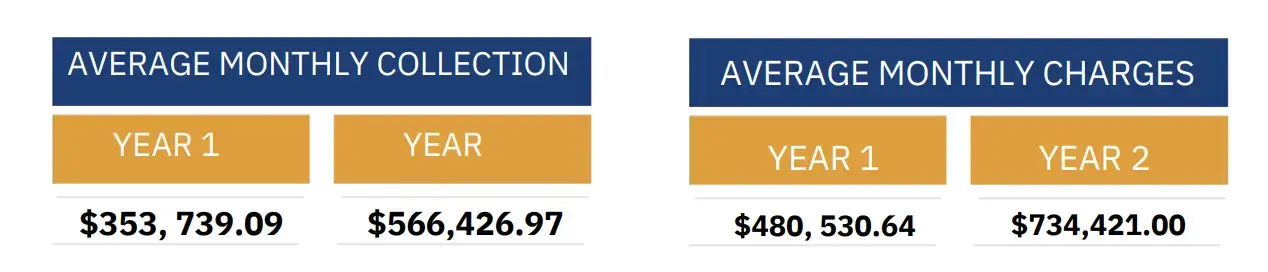
Consider this Synapse lab client, for example. The client saw a 60% increase in average payments and a 52% increase in average charges year over year.

Synapse billers carefully review claims to ensure procedures match covered diagnoses. Since many laboratory claims include multiple diagnoses and procedures, their medical backgrounds help them identify the appropriate matches.

When a covered diagnosis is missing, the team requests the necessary information from the laboratory before submission. Synapse collectors also respond to insurance requests and provide additional information promptly, helping keep claims moving through the revenue cycle.
Turn Documentation Into a Revenue Advantage
Documentation may seem like a small part of the laboratory billing process, but it can affect the entire revenue cycle. When information is complete, consistent, and easy to verify, billing teams can spend less time resolving avoidable issues and more time keeping claims moving.
For laboratories, that means looking beyond individual documentation errors and building processes that support accuracy from the initial order through claim submission and follow-up. It also means using billing data to identify recurring gaps and address them at the process level.
At Synapse Lab Billing, we help laboratories strengthen these processes with experienced billing teams, proactive claim review, and greater visibility into revenue-cycle performance. The goal is not simply to correct documentation problems after they occur, but to build a billing process that helps prevent them in the first place.
About Us
At Synapse Lab Billing, we help laboratories strengthen their revenue cycle with comprehensive lab billing solutions designed around their strategic goals. Our solutions provide greater visibility into billing operations, helping laboratories access the data they need for benchmarking, regulatory reporting, and ongoing performance improvement.
Sources:
Claim Denials Are Costing Hospitals Billions; Lifted from
https://hiacode.com/blog/claim-denials-are-costing-hospitals-billions
Clinical Standardization Programs; Lifted from
https://www.cdc.gov/clinical-standardization-programs/about/index.html
Proper Documentation for Pathology and Laboratory Reports; Lifted from
https://www.aapc.com/blog/27507-proper-documentation-for-pathology-and-laboratory-reports/?srsltid=AfmBOopVUZG0QJeQI5ucGqPgHM37Rrnc_RRZ1DSaauU2JR0Z_1FnHH6G
Revenue Cycle Management Considerations; Lifted from
https://edhub.ama-assn.org/steps-forward/module/2827452